
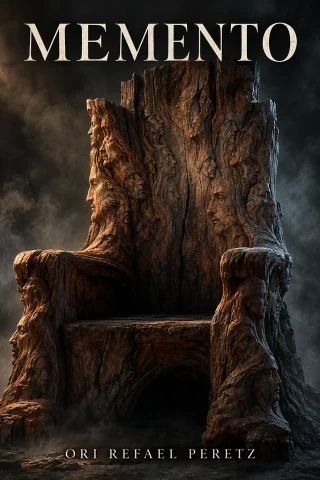
The throne preserves the minds of dead rulers. Its new monarch inherits their wisdom, rival ambitions and unfinished business. The crown gives one person authority. The voices make that authority difficult to trust.
An editorial introduction to the story concept. This is not a manuscript excerpt.
An inheritance of voices.
A new monarch inherits a throne that preserves the minds of its dead rulers. Taking power means receiving their memories, experience and voices, along with ambitions that did not end with their lives.
The monarch must govern a living kingdom while deciding which of these competing minds to trust. Their accumulated wisdom can strengthen a reign, but counsel from a predecessor may also serve an unfinished agenda. Drawing on the throne’s knowledge without surrendering authority becomes central to ruling a kingdom whose former sovereigns still expect to have a say.
Who rules the living?
The throne makes succession an intimate encounter with history. A predecessor's experience may offer guidance, but it arrives with that ruler's ambitions and influence. The living monarch cannot separate inherited knowledge from the people who carry it.
Memento turns the authority of the past into a struggle over present judgment. The ruler can listen, question and weigh what the former monarchs offer. Whether that is enough to govern independently is the tension at the heart of the story.
Continue with the book
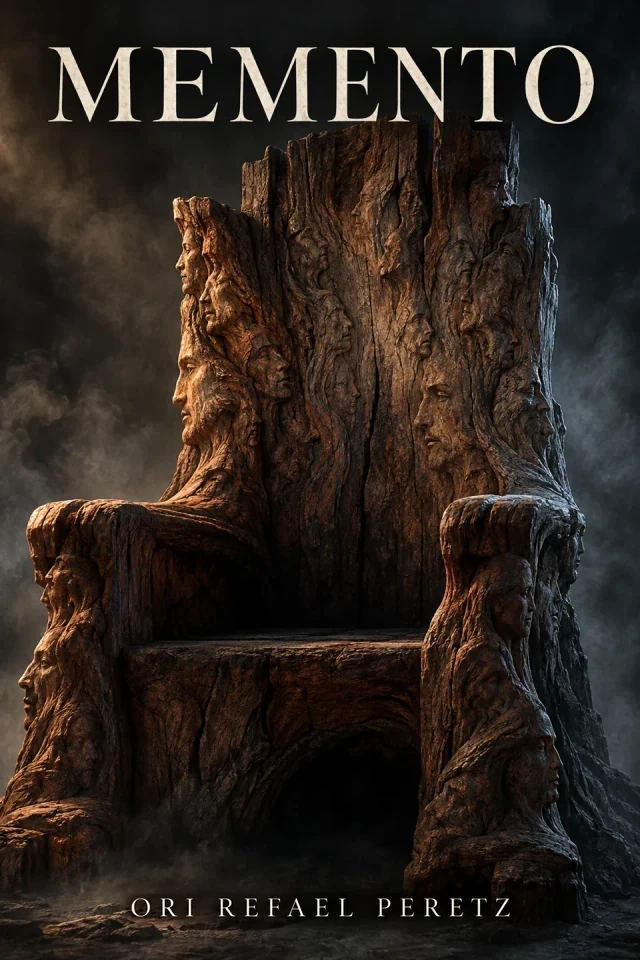
Memento
Publication date, formats and retail availability have not yet been announced.
Explore the title →